Three days of intensive discussions, diverse professional insights, and numerous new points of connection: the National Forum for Remote Sensing and Copernicus in Darmstadt once again demonstrated how dynamically the field is currently evolving.
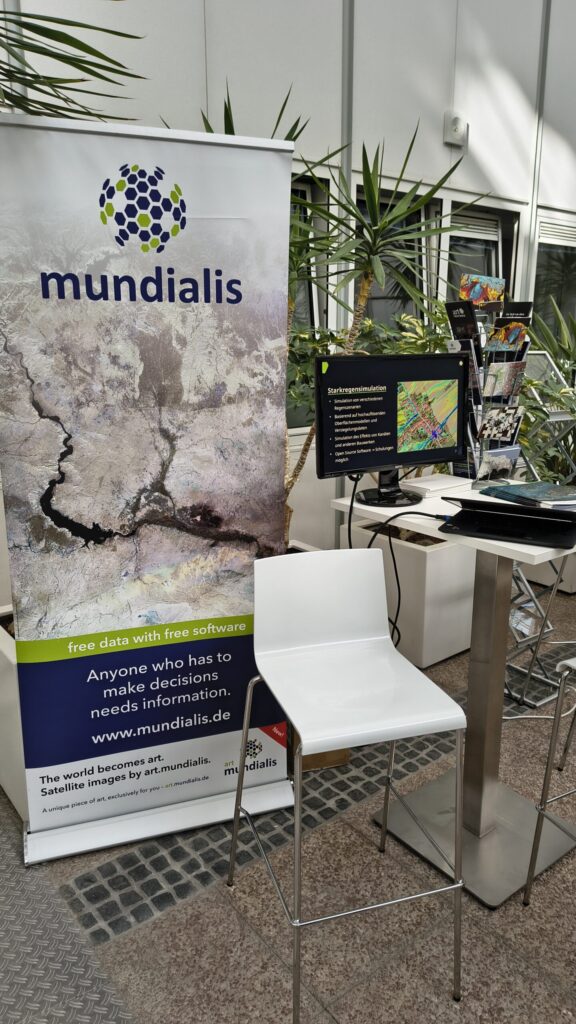
We contributed to various areas with our own presentations and discussions — ranging from AI-supported approaches for urban analysis to applications of remote sensing in cultural heritage protection and the monitoring of World Heritage sites.
Once again, it became clear how strongly data-driven methods are now influencing concrete fields of application:
→ In urban analysis, AI approaches are opening up new possibilities for capturing and assessing spatial dynamics such as heat islands or the impacts of heavy rainfall events in a more differentiated way.
→ In cultural heritage protection, remote sensing is increasingly helping to identify threats to World Heritage sites at an early stage and to provide a sound basis for decision-making.
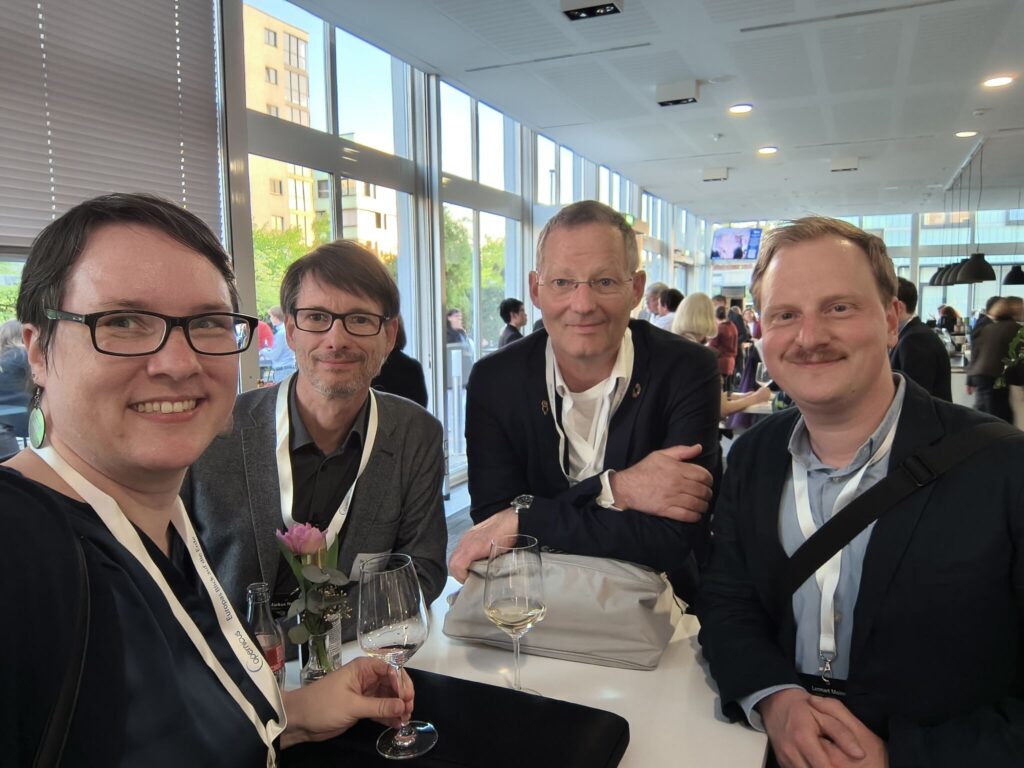
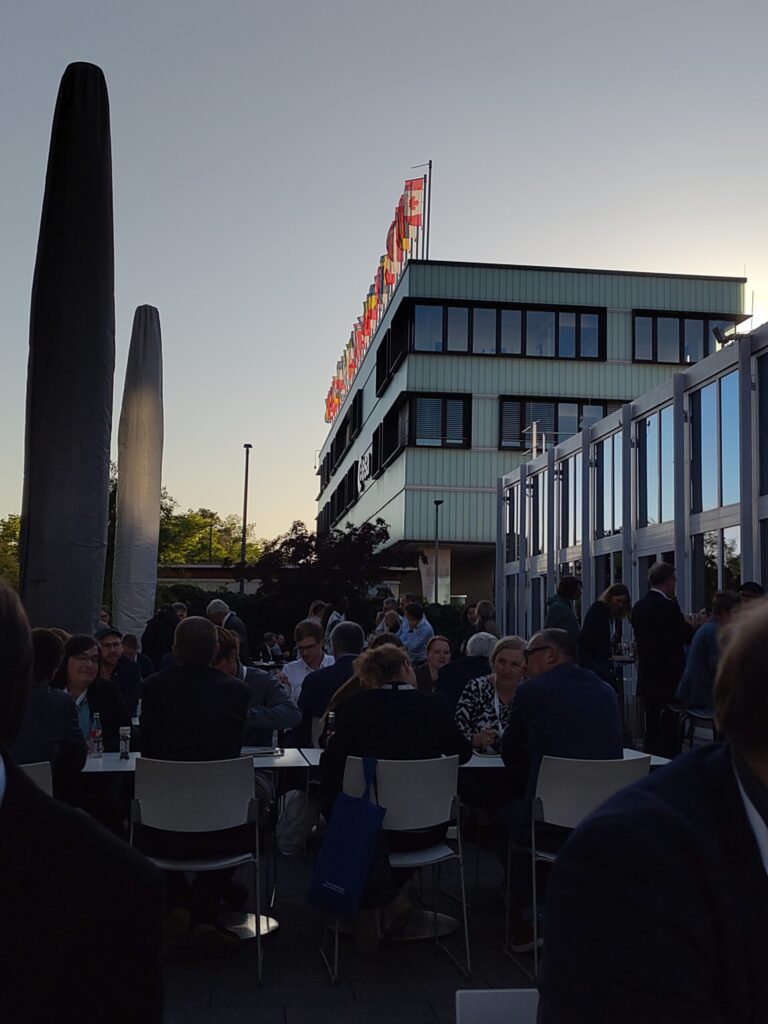
What was particularly valuable for us was the collaborative brainstorming beyond the official sessions, where many conversations naturally continued and evolved. We also had the chance to reconnect with many familiar colleagues from the DLR RFA, with whom we are currently working on research projects. The exchange with the project partners from CODE-DE-Lab, whom we met for a joint dinner at KRLSN, also remains especially memorable for us.
Our conclusion: a highly insightful event that provided valuable impulses both professionally and through personal exchange, while also fostering new connections.